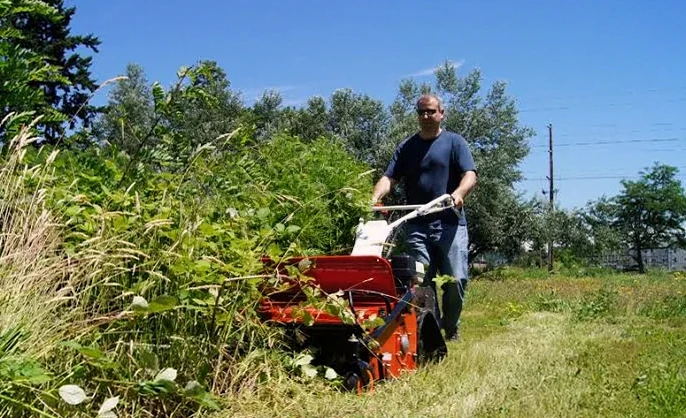
What is Brush Clearing and how does it work?
Brush clearing is the process of cutting, hauling, and disposing of overgrown vegetation like trees, shrubs, vines, and underbrush from your property. It's not just mowing or trimming; it's full-on removal of growth that's taken over an area.
In Mobile, brush clearing is a common need because of our climate. Warm, wet seasons mean growth doesn't stop. Kudzu, privet, and wild grape vines can choke a fence line or a backyard in one summer. You might have a lot that hasn't been touched in years, or you might be prepping land for a shed, a garden, or just to see your property line again.
The work starts with an assessment. A crew walks the site, looks at what's growing, checks for hazards like poison ivy or hidden stumps, and figures out access. Then they bring in equipment: brush mowers, chainsaws, sometimes a skid steer for heavy stuff. They cut everything down to ground level, rake or pile the debris, and haul it off. What's left is bare ground or a clean layer of mulch, depending on what you want.
This isn't the same as a lawn service. Lawn crews mow grass and maybe trim a few low limbs. Brush clearing handles serious overgrowth: saplings four inches thick, briar patches you can't walk through, piles of dead branches from a storm. The equipment is heavier, and the crew has to know how to work around utilities, slopes, and drainage.
Most homeowners don't realize how much debris comes off an acre of overgrown land. It can fill several dump trucks. That's why the hauling and disposal part is a big chunk of the job. Some companies chip the brush on-site, others haul it to a local facility. Either way, you're left with a clean slate.
How Brush Clearing works, step by step
A typical brush clearing job follows a clear sequence: site walkthrough, cutting, processing, and cleanup. Each step has its own details, and skipping any of them leaves you with a mess.
First, the crew walks the property with you. They mark any underground utility lines, identify trees you want to keep, and note problem spots like a steep bank or a wet area that might bog down equipment. They also check for invasive species like Chinese tallow or Japanese climbing fern, which need special handling because they spread fast if you leave roots behind.
Cutting comes next. For light brush, a heavy-duty brush mower on a tractor or skid steer can knock it down in a few passes. For thickets of small trees, they use chainsaws. The crew cuts everything as low as possible, usually within a couple inches of the ground. They don't just hack the tops off; they cut stems so regrowth is slower.
After cutting, they process the debris. Chipping turns branches and vines into mulch, which you can keep for paths or garden beds. If you don't want the mulch, they pile it for hauling. Some jobs have too much volume to chip efficiently, so they load it straight into a dump truck. In Mobile, you can't just burn brush in the city limits, so hauling to a disposal site is the standard move.
Cleanup is where the job looks finished. The crew rakes up loose twigs and leaves, smooths out ruts from equipment, and spreads any mulch you're keeping. They also grind stumps if you paid for that service. A good crew leaves the site looking like a park, not a war zone.
One thing that surprises people: timing. Wet ground in Mobile can turn a two-day job into a four-day job. Equipment gets stuck, and you don't want ruts that hold water and breed mosquitoes. A good crew schedules around rain and dries out the site before they move heavy machines.
Why Brush Clearing matters for your home
Overgrown brush is more than an eyesore. It creates real problems for your house, your yard, and your safety. Clearing it gives you back usable space and prevents damage.
Thick brush right against your house traps moisture against the siding. In Mobile's humid summers, that moisture leads to rot, termites, and mold. Vines growing up a wall can lift shingles or pull off gutters. Clearing a six-foot buffer around your foundation stops that damage before it starts.
Brush also hides pests. Rats, snakes, and rodents love a dense tangle of vines and blackberry briars. They nest there and then move into your attic or crawlspace. Clearing the brush removes their cover and pushes them away from your house. It's the most effective pest control you can do without chemicals.
Fire safety is another big reason. Mobile has dry spells, and a brush fire can spread fast through overgrown lots. The city fire department has to fight fires in these areas, and thick brush makes their job harder. A cleared property gives you a defensible space and reduces the risk of a fire reaching your home.
Then there's property value. A lot that's choked with brush looks abandoned. If you're selling, buyers see a huge chore. If you're staying, you get back space for a garden, a playset, or just a yard you can walk through without getting scratched up. Clearing an overgrown lot can add thousands to your home's value, and it costs a fraction of that.
Common problems and what causes them
Most brush clearing headaches come from poor planning, hidden hazards, or unrealistic expectations. Knowing what can go wrong helps you avoid it.
The biggest problem is underestimating the volume of debris. A half-acre of thick brush can produce forty cubic yards of material, which is a lot of truckloads. Homeowners who think a crew can just chip it all on-site are often disappointed. Chipping takes time, and some species like live oak or sweetgum are too dense for small chippers.
Hidden stumps and roots are another issue. A stump that's hidden under vines can wreck a brush mower blade or flip a skid steer. Good crews walk the site carefully, but sometimes a stump is buried under years of leaf litter. That's why it's smart to ask about stump grinding as a separate service.
Utility lines are a real danger. Overhead power lines can be hidden by tree limbs, and underground gas or water lines can be buried shallow. In Mobile, many older neighborhoods have utility lines that aren't marked on any map. Always call 811 before any clearing work starts, and make sure the crew knows where every line is.
Another common mistake: thinking you can do it yourself with a chainsaw and a weekend. A serious overgrown lot takes days of hard labor, and the disposal is the hardest part. Most homeowners end up with a pile of brush they can't haul, and then they have to pay a crew anyway. It's cheaper to hire it done right the first time.
Regrowth is also a concern. If you don't treat stumps or remove root systems, some species will come back fast. Chinese privet and kudzu are notorious for this. A good crew will recommend follow-up treatments like spot spraying or periodic mowing to keep the brush down.
Common questions about Brush Clearing
Frequently Asked Questions
How much does brush clearing cost in Mobile?
There's no single price because every lot is different. The cost depends on the size of the area, how thick the brush is, whether there are stumps, and how far the crew has to haul the debris. The only way to get a real number is a free on-site quote. Expect a range that can go from a few hundred for a small clean-up to several thousand for a heavily overgrown acre.
Do I need to be home when the crew works?
You don't have to be, but it helps. The crew will need to know where your property lines are, which trees you want to save, and where utilities run. If you can't be there, leave clear markings and a phone number. Most crews will call if they have questions.
Will brush clearing damage my lawn?
Heavy equipment can leave ruts, especially in wet soil. A good crew will try to work when the ground is dry and will smooth out any ruts before they leave. If you have a sprinkler system or underground wiring, mark those lines clearly so the crew can avoid them.
Can you clear brush on a steep slope?
Yes, but it takes more time and sometimes different equipment. Steep slopes in Mobile, like those near Dog River or the bay, require tracked machines or hand work. The crew will assess the slope during the quote and adjust the plan accordingly.
What happens to the brush after it's cut?
It gets chipped into mulch or hauled away to a disposal site. If you want the mulch for your garden or paths, tell the crew ahead of time. Otherwise, they'll remove everything. In Mobile, burning is not allowed inside city limits, so hauling is the standard option.
How long does a typical brush clearing job take?
A small lot, say a quarter-acre with light brush, can be done in a day. A heavily overgrown acre can take two to four days. Weather, ground conditions, and the amount of debris all affect the timeline. The crew will give you an estimate during the quote.
Do I need a permit for brush clearing in Mobile?
Generally, no, unless you're clearing near a wetland or drainage easement. If you're within the city limits and the work is on your own property, a permit is rarely required. But if you're clearing a lot that's in a floodplain or near a creek, check with the city planning department first.
Will the brush grow back?
Some species will regrow from roots or seeds in the soil. Kudzu, privet, and wisteria are especially aggressive. The crew can treat stumps with herbicide to slow regrowth, or you can plan to mow the area a few times a year. No method guarantees it stays clear forever, but regular maintenance keeps it manageable.
Can you clear brush around a fence without damaging it?
Yes, but it's careful work. The crew will use hand tools near the fence line and avoid heavy equipment that could knock posts loose. Vines growing on the fence will be cut at the base, not pulled off, to avoid tearing the fence down. Let the crew know if the fence is old or fragile.
What should I look for when hiring a brush clearing company?
Ask for proof of insurance, including liability and workers' comp. Get a written estimate that lists exactly what's included: cutting, hauling, stump grinding, cleanup. Check online reviews and ask for references from recent jobs in Mobile. A company that's been in business for several years is a safer bet than someone with a truck and a chainsaw.
Need brush clearing in Mobile? Get a free estimate today.
📞 256-952-8617