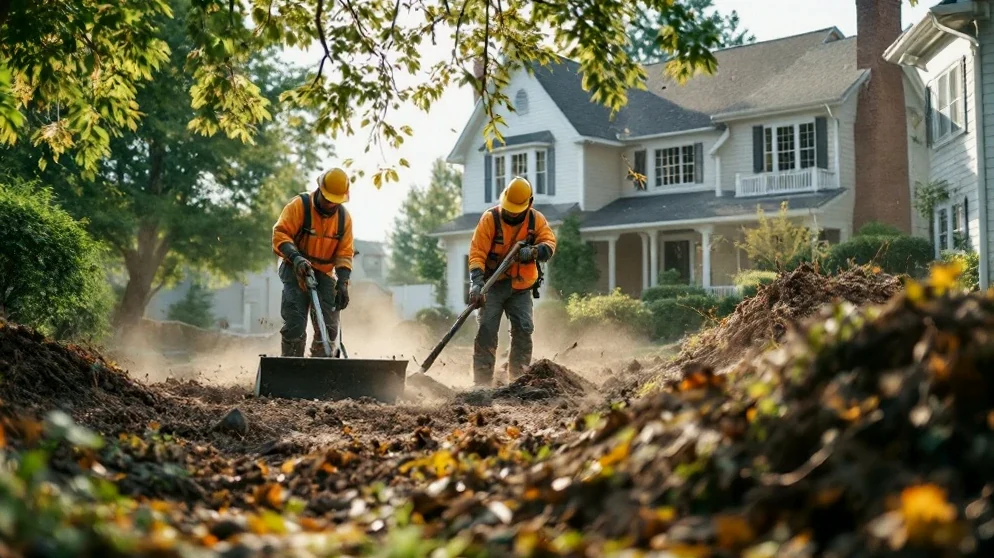
What is Commercial Land Clearing and how does it work?
Commercial land clearing is the process of removing trees, brush, stumps, and debris from a property to prepare it for development, road construction, or large-scale landscaping. It involves heavy equipment like bulldozers and excavators, and often requires permits and erosion control.
Think of commercial land clearing as the heavy-duty version of what you might do in your backyard. Instead of a chainsaw and a pickup truck, crews bring in dozers, excavators, and dump trucks. The goal is to clear a site down to bare dirt so that construction or grading can start. In Mobile, this often means dealing with thick pine forests, hardwoods, and the kind of underbrush that can swallow a fence line in two years.
A typical job starts with a site walk. The crew marks property lines, identifies any utility lines, and looks for wetlands or drainage areas. Wetlands are a big deal around here. If you're clearing near a creek or low spot, you might need a permit from the Mobile District Corps of Engineers. Skipping that step can shut down a project and cost you fines.
The actual clearing happens in stages. First, the crew knocks down trees and brush with a bulldozer fitted with a brush rake or a forestry mulcher. Mulchers are common in Mobile because they grind everything into chips on the spot, which reduces the amount of debris you have to haul off. Then they dig out stumps, grade the land, and sometimes bring in fill dirt to level the site.
One thing that surprises homeowners: commercial land clearing is not the same as a one-time brush cutting. It's a complete site prep. After the clearing, the ground is ready for a foundation, a parking lot, or a septic system. If you only need a path cut through the woods, that's a different service. Commercial clearing means the whole lot gets stripped.
In Mobile, the season matters. Late summer and fall are the busiest times because the ground is drier and the heat is slightly less brutal. Spring rains can turn a cleared site into a mud pit, which slows down grading and makes it harder to get equipment in and out. A good crew plans around the weather and builds in a buffer for rain days.
How Commercial Land Clearing works, step by step
Commercial land clearing follows a six-step process: site assessment, permitting, tree and brush removal, stump grinding or extraction, debris disposal, and final grading. Each step has its own timeline and cost factors.
Step one is the site assessment. The foreman walks the property with a GPS unit and flags the boundaries. They look for power lines, gas lines, and water lines. In Mobile, underground utilities can be shallow because the frost line is only a few inches deep. Hitting a gas line with an excavator is not just expensive, it's dangerous. The crew calls 811 before any digging starts.
Permitting is step two, and it's where a lot of homeowners get tripped up. The City of Mobile requires a land disturbance permit for any clearing over one acre. If you're within the city limits or in unincorporated Mobile County, you may also need a stormwater permit from the Alabama Department of Environmental Management. The crew handles this paperwork, but you need to know it's part of the timeline. Expect a week or two for permits.
Step three is the actual clearing. The bulldozer or forestry mulcher goes in first. A forestry mulcher is like a giant wood chipper on tracks. It chews up trees and brush and spits out mulch that stays on the ground. This is good for erosion control because the mulch holds the soil in place. For larger trees, the crew may cut them down first and then mulch the tops.
Stump removal is step four. Stumps can be ground down with a stump grinder or pulled out with an excavator. Grinding leaves the roots in the ground, which is fine if you're building a house but not if you're putting in a road. Pulling stumps leaves big holes that have to be filled. In Mobile's sandy soil, pulling stumps is usually faster than grinding.
Debris disposal is step five. If the crew mulched everything, there's nothing to haul. But if they cut trees and piled them, the debris has to go to a landfill or a biomass plant. Mobile has a few landfills that accept vegetative waste, but the fees add up. Some crews burn the piles if the county allows it, but burn permits are hard to get during dry months.
Final grading is step six. The crew brings in a grader or a dozer to smooth the ground and establish drainage. They cut swales to direct water away from the building site. In Mobile, where we get 60 inches of rain a year, drainage is everything. A poorly graded lot can turn into a pond after a summer thunderstorm.
Why Commercial Land Clearing matters for your home
Commercial land clearing directly affects your home's foundation, drainage, and resale value. Poorly cleared land can lead to flooding, unstable soil, and expensive repairs down the road.
If you're building a new home in Mobile, the land clearing sets the stage for everything else. A lot that isn't properly cleared and graded will have uneven settling. That means cracks in the foundation, doors that don't close, and floors that slope. I've seen houses on Dauphin Island that had to be re-leveled because the builder skimped on clearing and the stumps rotted underground, leaving voids.
Drainage is the biggest hidden issue. Mobile gets heavy rain, and a cleared lot without proper grading will collect water. That water seeps into the foundation and can cause mold, rot, and termite problems. A good clearing crew cuts drainage swales and installs culverts if needed. They know where the water flows on your lot because they've seen the same soil types all over the county.
Resale value matters. A lot that's been professionally cleared and graded is easier to build on and appraises higher. If you ever sell the property, the next buyer will pay a premium for land that's ready to go. On the flip side, a lot with leftover stumps, buried debris, and poor drainage is a liability. It can sit on the market for years.
Insurance companies pay attention to land clearing. If your lot has standing water after a storm, some insurers will flag it as a flood risk. That can raise your premiums or even make it hard to get coverage. Proper clearing and grading keeps the water moving away from the house, which keeps the insurance adjuster happy.
There's also the practical matter of access. If you're building a driveway or a road, the clearing has to be wide enough for fire trucks and delivery trucks. In Mobile, the fire code requires a 20-foot clear width for emergency vehicles. A crew that knows the local codes will make sure your driveway meets that standard.
Common problems and what causes them
The most common problems in commercial land clearing are erosion, buried debris, utility strikes, and permit delays. Each has a specific cause and a straightforward fix if caught early.
Erosion is the number one issue on cleared sites in Mobile. Without tree roots to hold the soil, a heavy rain can wash away tons of dirt in a single afternoon. The cause is usually poor timing. If you clear in late winter or early spring, you're asking for trouble. The fix is to install silt fences and hay bales around the perimeter before the first storm hits.
Buried debris is a problem that shows up years later. Some crews push trees and stumps into a low spot and cover them with dirt. It looks fine at first, but as the wood rots, the ground settles. Suddenly you have a dip in your yard or a soft spot where a car tire sinks. The cause is laziness or trying to save on disposal costs. The only fix is to dig it all up and start over.
Utility strikes happen when the crew doesn't call 811 or ignores the marked lines. In Mobile, fiber optic cables are common along roadsides, and they're buried shallow. A bulldozer blade can slice through one in seconds. The result is a repair bill that can run into the thousands and a neighborhood without internet for a day. The cause is rushing. The fix is to always hand-dig around marked utilities.
Permit delays are frustrating but avoidable. The City of Mobile and ADEM have specific requirements for erosion control and stormwater management. If your crew submits incomplete paperwork, the permit gets kicked back. That can add weeks to the timeline. The cause is an inexperienced contractor. The fix is to hire a crew that does this work every day and knows the local inspectors.
Another problem is boundary disputes. If the clearing crew accidentally cuts trees on the neighbor's lot, you're on the hook for the damage. The cause is unclear property lines. The fix is to have a survey done before the bulldozer shows up. A good crew will also flag the lines and walk them with you before they start.
Common questions about Commercial Land Clearing
Here are the answers to the questions Mobile homeowners ask most often about commercial land clearing.
The only way to get an exact price is a free on-site quote. Every lot is different, and factors like tree density, slope, and access all affect the cost. A crew that gives you a price over the phone without seeing the property is guessing.
Most commercial clearing jobs in Mobile take between one and three weeks. A small lot with light brush might be done in a few days. A large wooded lot with big hardwoods and stumps can take two weeks or more. Weather and permit delays can stretch that out.
You don't have to be present the whole time, but you should be there for the initial walk and the final walk. That way you know exactly what was agreed to and what was done. The crew will handle the daily work, but you need to sign off on the finished grade.
Yes, you usually need a permit. The City of Mobile requires a land disturbance permit for any clearing over one acre. Even smaller lots may need a permit if they're in a floodplain or near a wetland. Your contractor should handle the permitting, but you need to ask about it upfront.
A good contractor will have liability insurance and workers' compensation. Ask for a certificate of insurance before they start. If a worker gets hurt on your property and the contractor doesn't have coverage, you could be sued.
Most contractors offer a warranty on their grading work, usually for one year. That covers settling or erosion issues that show up after the job is done. Make sure the warranty is in writing and covers the specific work they did.
You can clear in the rain, but it's not ideal. Wet soil gets rutted and compacted by heavy equipment, which makes grading harder. Most crews will stop if the ground is too soft and come back when it dries out. That's why a good contract includes a weather clause.
The crew should handle the debris, but you need to agree on how. Some crews mulch everything on site, which leaves the chips in place. Others haul it away. If they burn it, you need a burn permit from the Alabama Forestry Commission. Ask before they start.
If the crew damages your neighbor's property, their insurance should cover it. But you're still the property owner, so you could be held liable if the contractor's insurance doesn't pay. That's another reason to only hire a licensed, insured crew.
A site survey is a good idea, especially if the lot is heavily wooded and the property lines aren't obvious. The survey costs a few hundred dollars, but it's cheap compared to the cost of cutting down a tree that isn't yours.
Frequently Asked Questions
How much does commercial land clearing cost in Mobile?
The only way to get an exact price is a free on-site quote. Every lot is different, and factors like tree density, slope, and access all affect the cost. A crew that gives you a price over the phone without seeing the property is guessing.
How long does commercial land clearing take?
Most commercial clearing jobs in Mobile take between one and three weeks. A small lot with light brush might be done in a few days. A large wooded lot with big hardwoods and stumps can take two weeks or more. Weather and permit delays can stretch that out.
Do I need to be on site during the clearing?
You don't have to be present the whole time, but you should be there for the initial walk and the final walk. That way you know exactly what was agreed to and what was done. The crew will handle the daily work, but you need to sign off on the finished grade.
Do I need a permit for commercial land clearing in Mobile?
Yes, you usually need a permit. The City of Mobile requires a land disturbance permit for any clearing over one acre. Even smaller lots may need a permit if they're in a floodplain or near a wetland. Your contractor should handle the permitting, but you need to ask about it upfront.
What kind of insurance should the contractor have?
A good contractor will have liability insurance and workers' compensation. Ask for a certificate of insurance before they start. If a worker gets hurt on your property and the contractor doesn't have coverage, you could be sued.
Is there a warranty on the clearing work?
Most contractors offer a warranty on their grading work, usually for one year. That covers settling or erosion issues that show up after the job is done. Make sure the warranty is in writing and covers the specific work they did.
Can you clear land in the rain?
You can clear in the rain, but it's not ideal. Wet soil gets rutted and compacted by heavy equipment, which makes grading harder. Most crews will stop if the ground is too soft and come back when it dries out. That's why a good contract includes a weather clause.
What happens to the trees and debris after clearing?
The crew should handle the debris, but you need to agree on how. Some crews mulch everything on site, which leaves the chips in place. Others haul it away. If they burn it, you need a burn permit from the Alabama Forestry Commission. Ask before they start.
What if the crew damages my neighbor's property?
If the crew damages your neighbor's property, their insurance should cover it. But you're still the property owner, so you could be held liable if the contractor's insurance doesn't pay. That's another reason to only hire a licensed, insured crew.
Should I get a survey before clearing?
A site survey is a good idea, especially if the lot is heavily wooded and the property lines aren't obvious. The survey costs a few hundred dollars, but it's cheap compared to the cost of cutting down a tree that isn't yours.
Need brush clearing in Mobile? Get a free estimate today.
📞 256-952-8617