What is Residential Brush Clearing and how does it work?
Residential brush clearing is the removal of unwanted vegetation from your yard, including overgrown shrubs, tangled vines, fallen limbs, and young saplings, using equipment like brush mowers, chainsaws, and skid steers. It's not just mowing a lawn. It's reclaiming land that's been taken over by thick growth.
In Mobile, the combination of heat, humidity, and sandy soil means a patch of brush can turn into a jungle in one growing season. A brush clearing crew comes in with heavy equipment designed to chew through stuff a regular lawn mower would choke on. They'll cut, grind, and haul away everything down to bare dirt or a managed ground cover, depending on what you want.
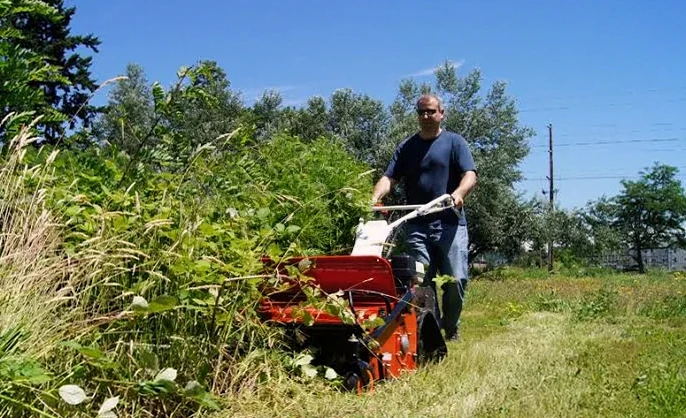
Most homeowners call us when the brush has already taken over a side yard, a fence line, or a lot they bought to build on. The work starts with a walkthrough. We look for buried utilities, old fences, and any trees worth saving. Then we bring in the right machine. A skid steer with a brush cutter attachment can clear a half-acre of thick briars and privet in a few hours. Steeper or tighter spots get a walk-behind brush mower or a crew with chainsaws and loppers.
We always ask what you plan to do with the cleared area. If you want grass, we'll grade the soil and maybe spread seed or sod after the clearing. If you just want it bare so you can build a shed or a garden, we stop after the debris is hauled off. Either way, the goal is to leave you with usable land, not a muddy mess.
One thing that surprises people: we don't just push brush into a pile and leave it. We load everything into a dump trailer and haul it to a proper disposal site. That's part of the service. No burn piles, no rotting debris in your back corner.
How Residential Brush Clearing works, step by step
A typical residential brush clearing job in Mobile follows five steps: site assessment, utility marking, clearing, grading or clean-up, and debris removal. Each step matters, and skipping any one can cause problems later.
Step one is the site walk. We look at the type and density of the brush, the slope of the land, and access points for equipment. A lot with a narrow gate might need a smaller machine. A flat, open area can take a bigger skid steer. We also check for poison ivy, fire ants, and hidden junk like old car parts or wire fencing.
Step two is calling 811 to mark underground utilities. In Mobile, that includes gas lines, water pipes, and sometimes buried cable or fiber. If you have a private septic system or a well, you need to mark those yourself. We won't start until everything is flagged. A cut gas line is not a small problem.
Step three is the clearing itself. For light brush, a heavy-duty brush mower on a skid steer or tractor can knock it down fast. For heavy stuff like Chinese privet, kudzu, or dense briars, we sometimes make two passes: one to chop it low, then a second to grind the stumps down to grade. We save any trees you want to keep and work around them carefully.
Step four is grading or final clean-up. If you want the land smooth for a lawn, we'll run a box blade or a land plane over it to knock down high spots and fill low ones. If you just want the brush gone, we rake the area clean and pick up any loose debris by hand.
Step five is haul-off. Everything goes into a dump trailer. We sweep the driveway and the street before we leave. You get a clean yard, not a pile of brush in the corner that you have to deal with later.
- We do not burn brush on site. Open burning is restricted in Mobile city limits and most subdivisions.
- We can leave a layer of wood chips if you want to suppress weeds on a future garden bed.
- If the brush is wet from a recent rain, we may need to reschedule to avoid tearing up the soil.
Why Residential Brush Clearing matters for your home
Thick brush around your home is more than an eyesore. It hides snakes and rodents, traps moisture against your foundation, and creates a fire hazard during dry spells. Clearing it protects your house, your family, and your property value.
Mobile's humid subtropical climate means vegetation grows fast and stays green most of the year. A patch of brush that's waist-high in April can be over your head by August. That growth traps humidity against your siding and foundation, which can lead to rot, termites, and mold. Keeping a five-foot clear zone around your house is one of the simplest things you can do to prevent expensive repairs.
Rodents and snakes love thick brush. Rats, mice, and even copperheads use overgrown areas as cover. In Mobile, we see a spike in rodent problems every fall when the weather cools and the mice look for a warm place to nest. Clearing the brush around your foundation removes their hiding spots and makes it harder for them to get inside.
Fire risk is real, even in a wet climate. During droughts, dry brush and leaves can ignite from a tossed cigarette or a spark from a lawn mower. The Mobile Fire Department responds to brush fires every year. A cleared buffer around your home gives firefighters a place to work and slows a fire down.
There's also the practical side. If you ever want to sell your house, overgrown brush makes the property look neglected. A clean, cleared yard adds curb appeal and tells buyers the place has been taken care of. It's one of the cheapest ways to boost your home's value.
Common problems and what causes them
Most problems with residential brush clearing come from three things: not clearing deep enough, leaving roots in the ground, and ignoring regrowth. Each one turns a one-time job into a recurring headache.
The biggest mistake homeowners make is thinking a quick mow or a string trimmer will solve a brush problem. That only cuts the tops off. The roots stay alive and the brush comes back thicker within weeks. Real clearing means grinding stumps or cutting them flush with the ground and treating the stumps with herbicide to prevent regrowth. Otherwise you're just giving the brush a haircut.
Another common issue is not accounting for regrowth after the job. In Mobile, privet, kudzu, and wisteria can resprout from even small root fragments left in the soil. A good crew will either grind the roots or apply a targeted herbicide to the cut stumps. If you don't want chemicals, you need to plan on mowing or spot-treating the regrowth every few weeks for the first season.
Drainage problems can surface after clearing. When you remove thick brush, the ground may settle or erode differently. Water that used to soak into the brush now runs off. We sometimes need to add a shallow swale or a French drain to keep water away from the foundation. It's easier to plan for that before the clearing than to fix a wet crawlspace later.
Hidden obstacles are a wildcard. Old fence posts, buried trash, and even abandoned cars can show up under a thicket. That can slow down a job and sometimes requires a bigger machine or hand digging. An honest crew will tell you about that risk upfront and adjust the quote if they find something major.
Common questions about Residential Brush Clearing
Need brush clearing in Mobile? Get a free estimate today.
📞 256-952-8617